
Free
$0
Free for everyone
- 5 writer profiles
- Unlimited writing
- Playful prompts
- Library that saves all your work
A creative space that turns writing into play, and play into a habit.
Start writing before signup. No credit card.


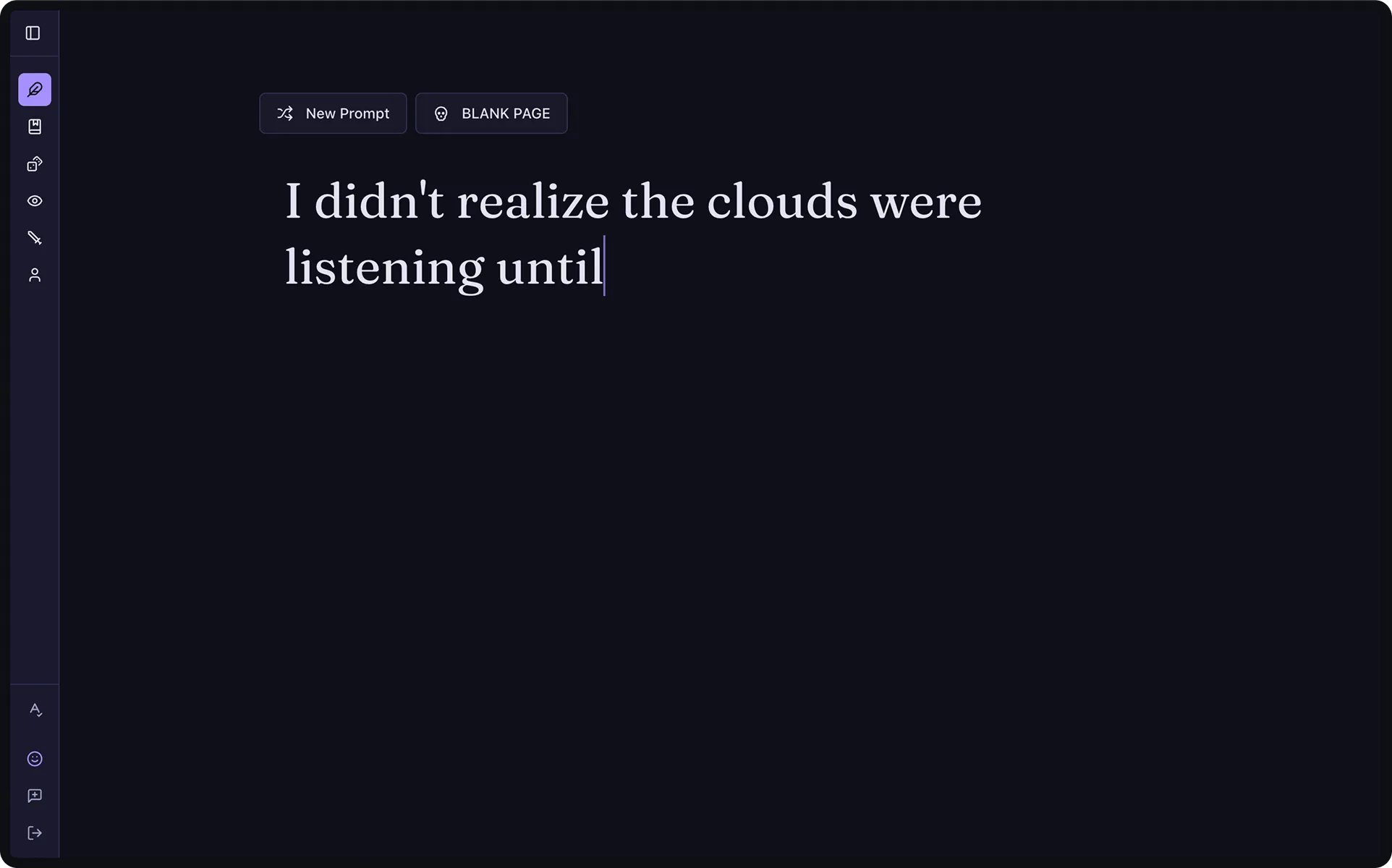
Right now, I have a room full of students doing creative writing (even though they have other options) and it makes me so happy.
No grammar police.
No red marks.
No one looking over their shoulders.
Like a writing pillow fort.
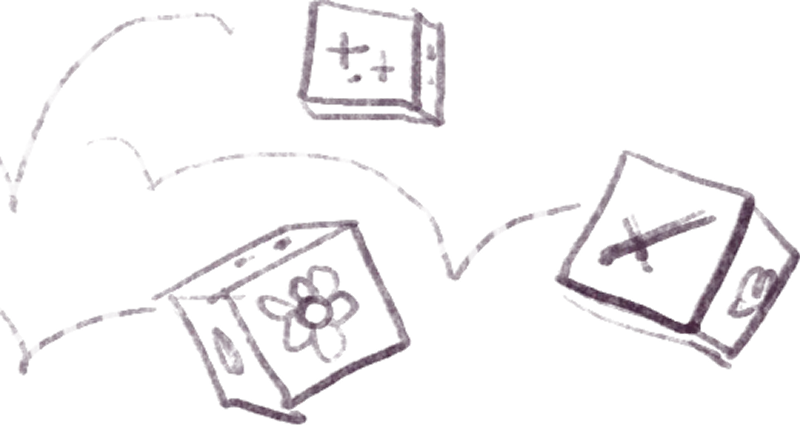
Prompts, story dice, and side quests make it effortless to start and fun to continue.
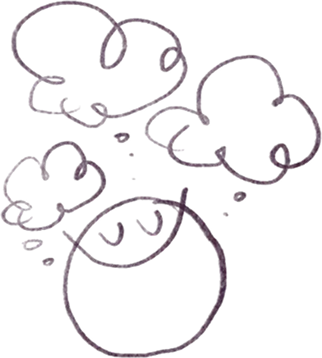
We want kids to leave with a real writing habit. Not points. Not streaks. Not a gamified trap.
My goldfish owes me twenty dollars because...

Prompts, story dice, and other inspirations take care of the hardest part: getting started. Kids jump straight into ideas, imagination, and storytelling.
Side Quests introduce new forms and techniques to try, from haikus and poetry to metaphors and alliteration. As kids experiment, they discover Writing Powers and see their effort reflected back to them.
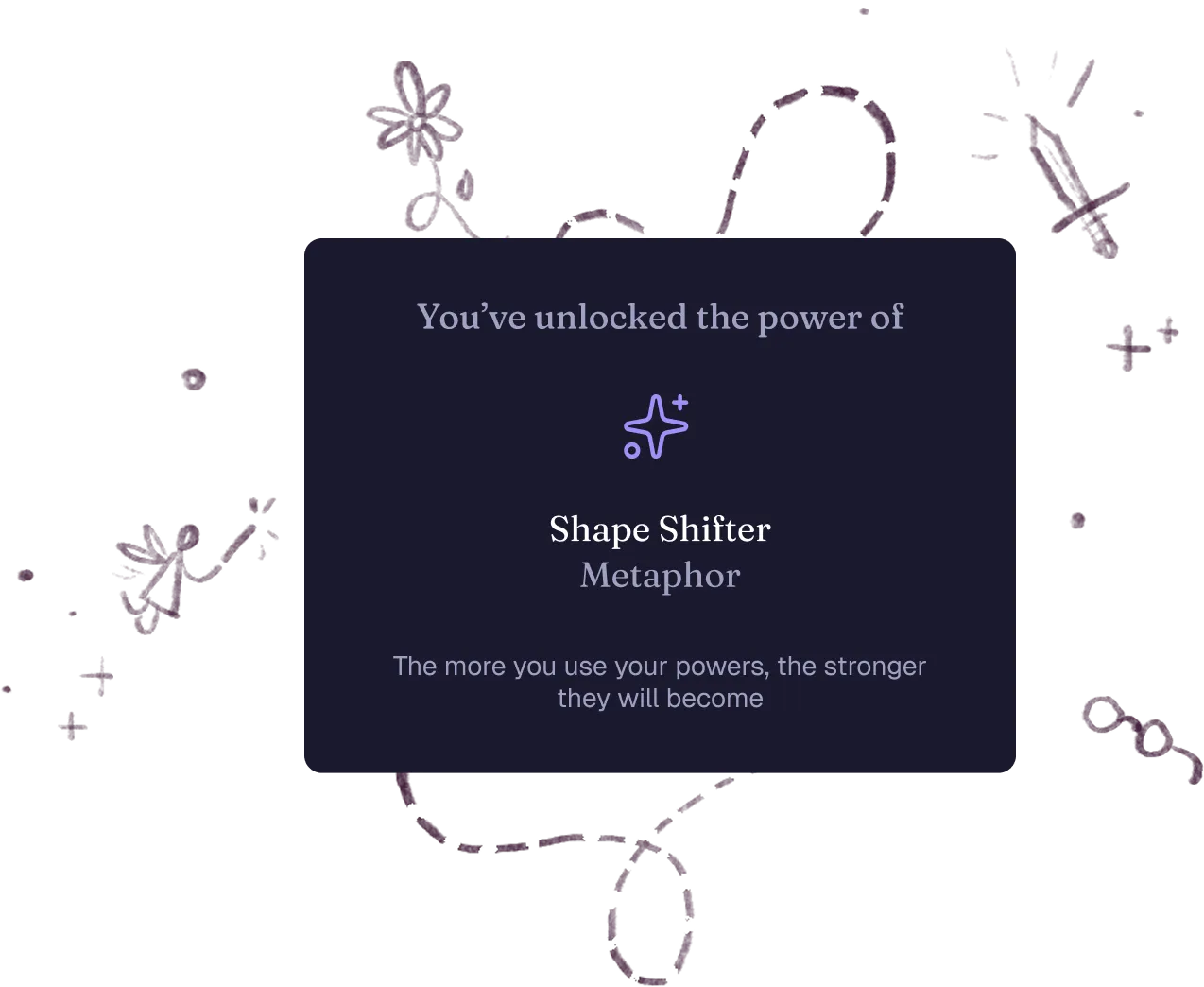
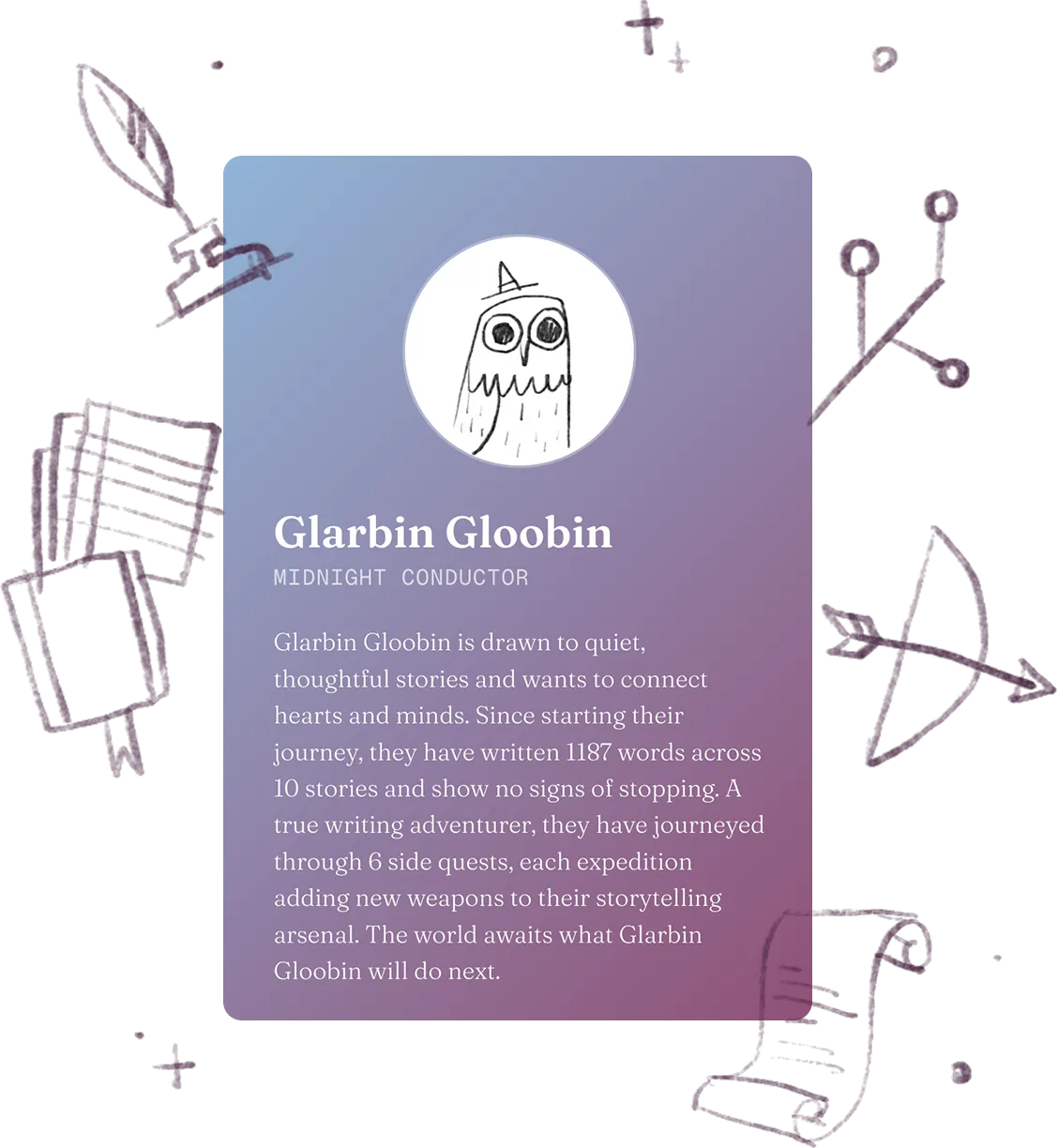
When kids see their work reflected back to them (their Author Bio, their growing library, their progress), writing stops feeling like something other people do. It becomes theirs.
At home or in your classroom.
$0
Free for everyone
$8 /month
or $80/year
No card required. Cancel anytime.
290+
writers
1,600+
stories
218K+
words
“If you're not writing, you're only consuming. Writing is the medium of creation.”
You don't have to take our word for it. It's in the research.
When kids write, they plan, test, and revise ideas. They make sense of experiences and often discover what they believe in the process.
Regular writing practice improves reading comprehension, fluency, and learning in science, social studies, and math.
(Bangert-Drowns et al., 2004; Graham & Hebert, 2011; Graham & Perin, 2007)
Studies on expressive writing show measurable gains in emotional regulation, primarily in adolescents and adults. Emerging research suggests similar benefits for younger children. Journals count. Stories count. Dragon adventures count.
(Frattaroli, 2006; Pennebaker & Beall, 1986; Travagin et al., 2015; 826 National, 2023)
In a study of over 2,000 students, those who wrote just three times a month showed significant gains in self-awareness, self-management, and relationship skills. The threshold is lower than most people expect.
When kids write regularly, they stop seeing writing as someone else’s thing. Research on identity and motivation shows that when kids see a behavior as ‘for people like me,’ they’re more likely to stick with it. We’re not trying to turn kids into writers. We’re trying to make sure every kid knows writing is theirs to use.
(Oyserman, Bybee & Terry, 2006; Ivanič, 1998; Lammers & Marsh, 2018; Verplanken & Sui, 2019)
Gamification has minimal impact on kids’ sense of competence, even when engagement goes up. Humdrum uses no streaks, leaderboards, or points.
In a world where AI can write for you, writing is how kids stay in the driver's seat of their own minds. Research on the “generation effect” consistently shows that generating information leads to stronger learning than passively receiving it. The difference isn't what ends up on the page, it's the cognitive work of producing it.
Based on 30+ sources, including peer-reviewed studies, meta-analyses, and field research.
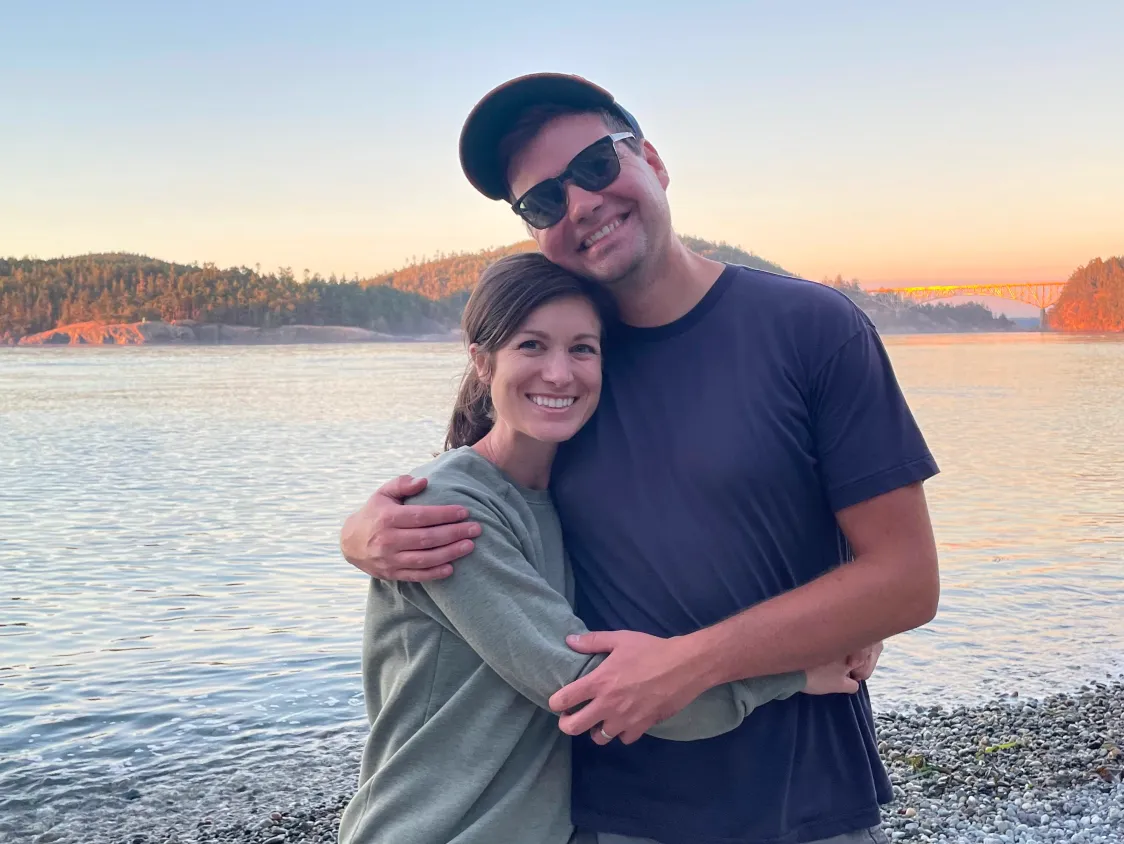
See full research →We're Lindsey, an English teacher, and Jacob, a designer.
We're also parents who understand writing is how kids learn to think.
When kids write, they organize ideas, make sense of experiences, and discover what they believe.
Writing and independent thinking have always mattered. But kids are growing up in a world where AI can write and think for them, so helping them enjoy doing it for themselves is more important than ever.
What started as an effort to get our own daughters writing more grew into Humdrum: a playful space where writing feels more like discovery than assignment.
Our goal is to help kids build a writing habit they can carry anywhere. We hope you'll join us.

See what your kids discover when writing feels like play.
For classrooms, explore Humdrum with your students.